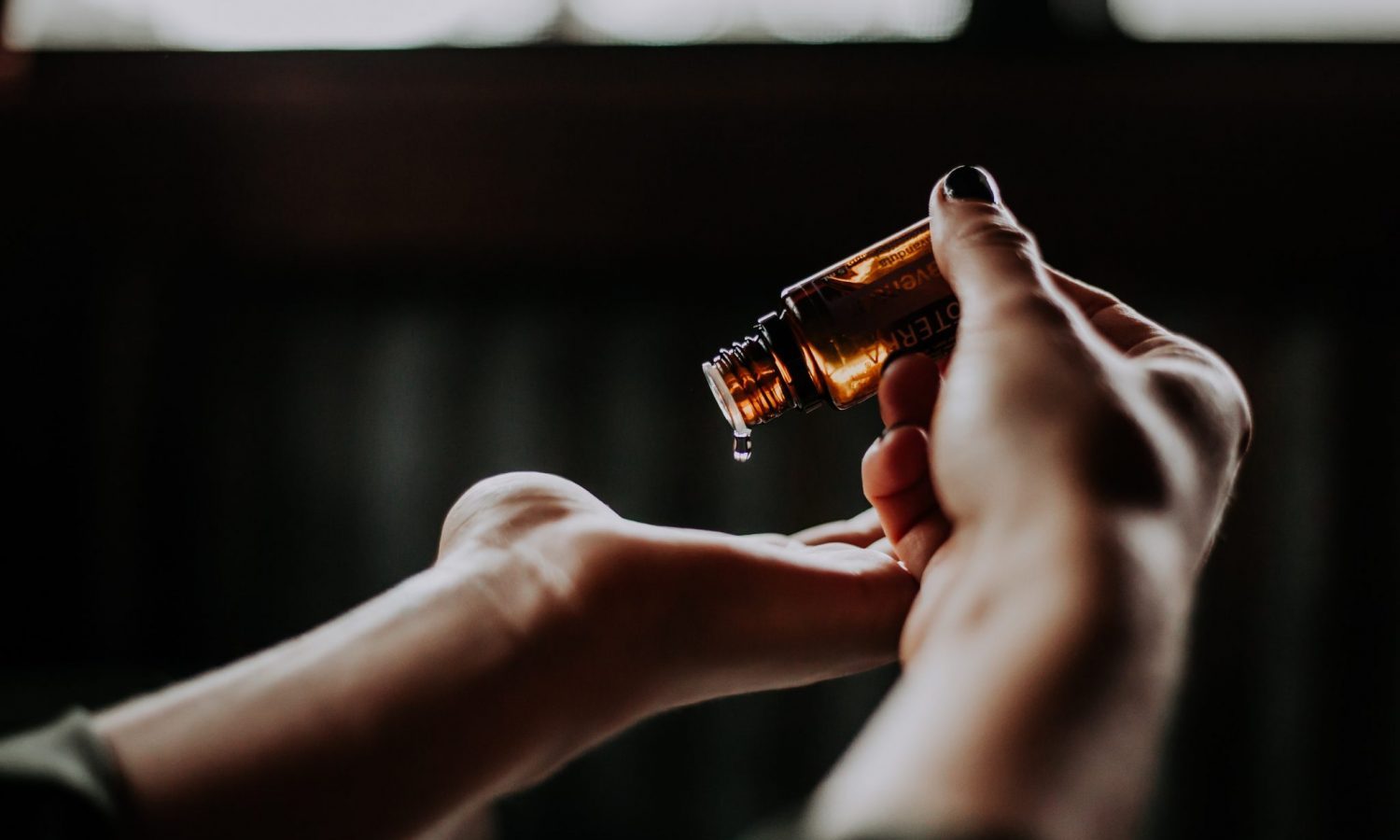
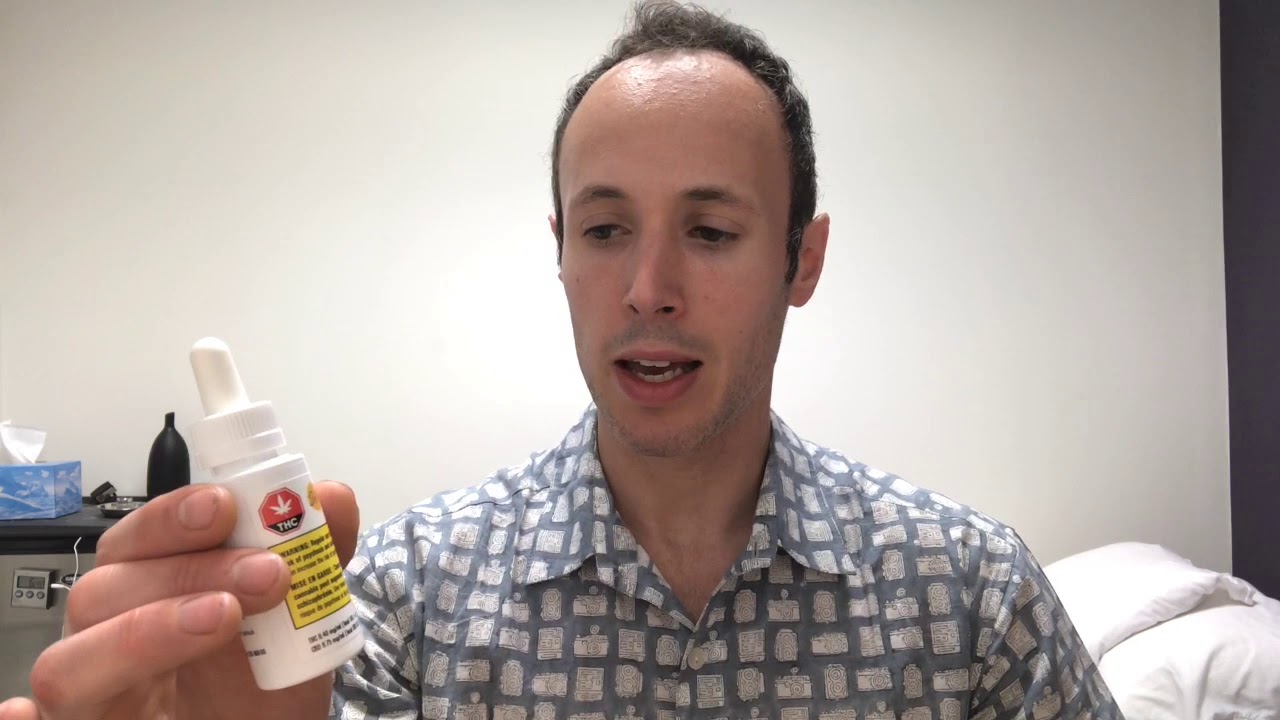
New studies favor topical cannabinoids with creams that have proper topical absorption of CBD
The global pain management marketestimated at $80 billion[1] in 2021, it is expected to grow at a CAGR of 7.4% annually through 2027. Topical analgesics targeting mild to moderate pain is a $7.2 billion market. Agents with proper topical absorption of CBD, while generally ineffective against deep tissue pain, allow for precise targeting.[2] of localized pain while offering systemic safety, rapid onset, and low risk of tolerance or abuse.

Many topical analgesic agents were originally developed as oral or injected drugs and later reformulated in a dosage more suitable for topical administration (eg, creams, gels, ointments). These include salicylates, nonsteroidal anti-inflammatory drugs (NSAIDs), capsaicinoids, corticosteroids, and opioids. Currently, doctors recommend these medications to treat localized eczema, contact dermatitis, psoriasis, abrasions, muscle pain, etc.
Given their established therapeutic efficacy, the main advantage of topical analgesic agents is the ability to treat localized pain while minimizing systemic dosing, adverse events, and drug interactions: for example, with clobetasol, a prescription-only corticosteroid which is used to treat swelling and itching, side. The effects occur in a third of patients who receive the drug orally, but are absent[3] when the medicine is applied to the skin.
The case of topical cannabinoids
Patients and doctors often turn to non-pharmaceutical “natural” approaches to relieve mild to moderate pain. Examples include both oral (eg, turmeric, pycnogenol, ginger) and topical (capsaicin, willow bark) agents. Some, like capsaicin patches,[4] have been approved by the US Food and Drug Administration to treat nerve pain.
Cannabinoids are an emerging group of compounds with potential for oral and topical pain relief. Primarily found in cannabis products, cannabinoids act on one or both cannabinoid receptors:[5] CB1 receptors, which arise mainly in the brain, limbic system and eye, and CB2 receptors, which are found in immune cells.

Of the more than 80 cannabinoids, the non-psychotropic cannabidiol (CBD) acts as a complex agonist and antagonist at more than 70 different molecular targets,[6] including enzymes, ion channels, G protein-coupled receptors, transporter proteins and nuclear receptors, many of which mediate pain, inflammation and mood.
Randomized controlled clinical trials of cannabis for pain relief are usually small and often include full-spectrum cannabinoids rather than CBD alone. The studies so far, however, are encouraging.
Topical absorption of CBD and study results
A preclinical study on a rat knee osteoarthritis mode[7] Using CBD gels found that treated animals recovered to baseline activity. The authors concluded that “topical application of CBD has therapeutic potential to alleviate arthritis pain-related behaviors and inflammation without obvious side effects.”
A small cross-sectional study[8] examining the topical application of commercial CBD oil to 29 patients with peripheral neuropathy concluded that “transdermal application of CBD oil can achieve significant improvement in pain and other disturbing sensations in patients with peripheral neuropathy. The product of treatment was well tolerated and may provide a more effective alternative compared to other current therapies in the treatment of peripheral neuropathy.”
Recently, a small, randomized, double-blind crossover study in humans examined the efficacy of topical CBD for treating neuropathic pain.[9] The researchers found “a statistically significant reduction in severe pain, sharp pain, cold and itchy sensations in the CBD group” and no adverse events. They concluded that transdermal CBD “may provide a more effective alternative compared to other current therapies in the treatment of peripheral neuropathy.”
Incorporating CBD into your practice
There is no shortage of advice for maximizing the profitability of a chiropractic practice. One path to business expansion involves increasing the value of your services to patients. Non-pharmacological interventions to help patients manage mild to moderate pain represent an important value-added component in modern chiropractic practice.
Salary and expenses survey for this post 2021[10] of American chiropractors discovered several key areas that support offering CBD products directly to patients. These categories include nutritional supplements (53% of respondents offer them), topical creams (47%) and CBD products (32%). Twenty-eight percent of respondents specifically offered topical CBD products.
Given the widespread practice of chiropractors offering non-pharmaceutical alternatives to treat pain, the encouraging clinical results on the efficacy of CBD (including as a topical treatment), and its acceptance among physicians, it appears that topical CBD is gaining ground in the mainstream.
An article from 2016[11] suggested that depending on the size and characteristics of the practice, chiropractors could earn between $500 and $20,000 per month selling supplements. Six years later, those numbers are probably low. Regardless, they clearly demonstrate a financial benefit to practices.
Selling CBD products directly to patients, however, involves more than money. Professionals must first and foremost believe in these products and the value they bring to patients. This involves educating yourself about the benefits through the scientific literature, staying up-to-date on the latest clinical data, and sharing it with patients when necessary.
Bring more value to patients
Products with maximum absorption of topical CBD have entered the chiropractic mainstream by virtue of their already wide consumer acceptance,[12] its well-established safety and limited but encouraging evidence of clinical efficacy.

While a strong financial case can be made for selling CBD creams, ointments, and gels, the decision to sell or not comes down to the value these products bring to patients. Once chiropractors decide to sell these products, they must continue to educate themselves about the potential benefits and risks and monitor the progress of patients using these products.
JOSEPH D. SALAMONE, DC, DAAPM, FRCCM, has been in private practice in Fairfield, NJ for over 30 years, and writes for Parker Laboratories HELIX (Helix4Pain.com). He founded the American Academy of Hospital Chiropractors, where he was one of four in the country to be on call in the emergency room.
References
[1] BCC Research, 2019. The Global Market for Pain Management Drugs and Devices. Access here
[2] Jorge LL, Feres CC, Teles VE. Topical preparations for pain relief: efficacy and patient adherence. J Pain Res. 2010;4:11-24. Published December 20, 2010. doi:10.2147/JPR.S9492.
[3] Kiran MS, Vidya S, Aswal GS, Kumar V, Rai V. Systemic and topical steroids in the management of oral mucosal lesions. J Pharm Bioallied Sci. 2017;9(Suppl 1):S1-S3. doi:10.4103/jpbs.JPBS_91_17.
[4] Privitera, Rosario; Anand, Praveen Capsaicin 8% Qutenza Patch and other current treatments for neuropathic pain in chemotherapy-induced peripheral neuropathy (CIPN), Current Opinion in Supportive and Palliative Care: June 2021 – Volume 15 – Issue 2 – p 125 -131
doi: 10.1097/SPC.0000000000000545.
[5] Cather JC, Cather JC. Cannabidiol primer for healthcare professionals. Proc (Bayl Univ Med Cent). 2020;33(3):376-379. Published July 6, 2020. doi:10.1080/08998280.2020.1775437
[6] Mlost J, Bryk M, Starowicz K. Cannabidiol for the treatment of pain: approach to pharmacology and mechanism of action. International Journal of Molecular Sciences. 2020; 21(22):8870. https://doi.org/10.3390/ijms21228870
[7] Hammell DC, Zhang LP, Ma F, Abshire SM, McIlwrath SL, Stinchcomb AL, Westlund KN. Transdermal cannabidiol reduces inflammation and pain-related behaviors in a rat model of arthritis. Eur J Pain. 2016 Jul;20(6):936-48. doi: 10.1002/ejp.818. Epub 2015 Oct 30. PMID: 26517407; PMCID: PMC4851925.
[8] Xu DH, Cullen BD, Tang M, Fang Y. The effectiveness of topical cannabidiol oil in the symptomatic relief of peripheral neuropathy of the lower extremities. Curr Pharm Biotechnol. 2020;21(5):390-402. doi: 10.2174/1389201020666191202111534. PMID: 31793418
[9] Xu DH, Cullen BD, Tang M, Fang Y. The effectiveness of topical cannabidiol oil in the symptomatic relief of peripheral neuropathy of the lower extremities. Curr Pharm Biotechnol. 2020;21(5):390-402. doi: 10.2174/1389201020666191202111534. PMID: 31793418.
[10] Quote not available on site.
[11] Quote not available on site.
[12] Search Grand View. Cannabidiol Market Size, Share and Trends Analysis Report by Source Type (Hemp, Marijuana), by Distribution Channel (B2B, B2C), by End Use (Medical, Personal Use), by Region and Forecasts segment, 2021-2028. February, 2021.