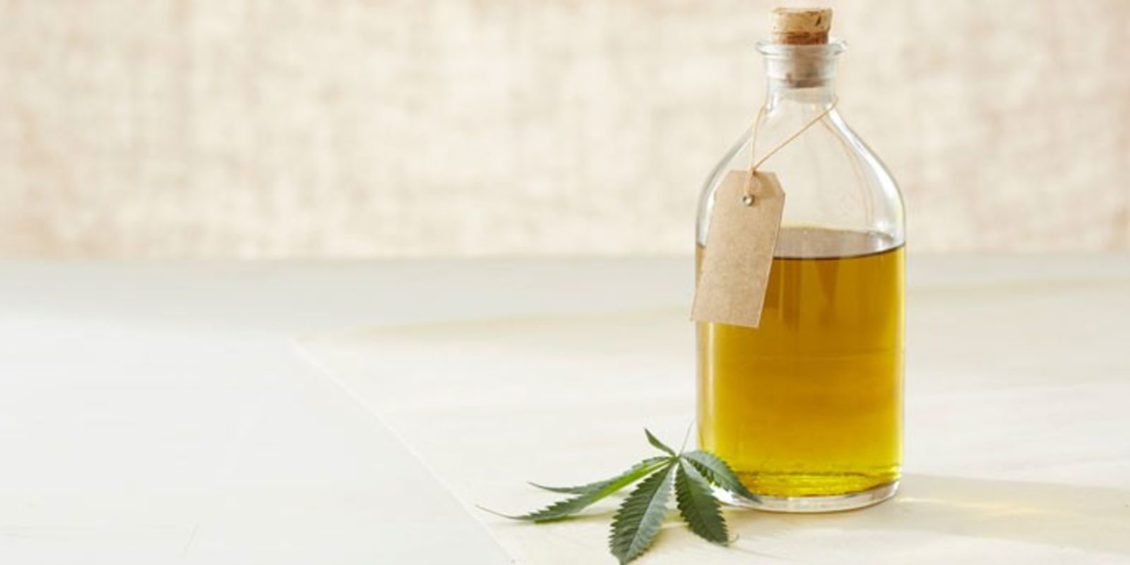
Scientific analysis of a number of CBD (cannabidiol) products, an increasingly popular pain reliever, has found that the majority of those tested contained illegal drugs.
At the same time, several products were found to contain almost no CBD element.


A senior scientific officer from Kent Scientific Services works on the test team.
The tests have been carried out on behalf of various local authorities by Kent Scientific Services, the official testing laboratory run by Kent County Council.
CBD is classified as a novel food and is currently being evaluated for safety by the Food Standards Agency. The FSA has allowed around 6,000 products to be marketed in the UK, pending final approval. If the product is listed, it can be sold; if it’s not on the list, it can’t.

KSS public analyst Jon Griffin who led the trials said: “CBD is the non-psychoactive element of cannabis. It is suggested that it may have benefits such as reducing anxiety, aiding sleep and managing pain. On its own, CBD is not an illegal controlled drug.”
Test results of the first 61 products for various interested bodies, including the Kent Trading Standards Service, have shown that:
- 44 samples contained one or more of the psychoactive elements of cannabis. They are controlled drugs and therefore illegal
- Several contained significantly less CBD than claimed on the package. Up to 99% deficiency.
- 2 didn’t claim to contain any CBD, but it did. None of these contain controlled drugs
- 2 contained products that are not on the FSA list.
Thus, in total, of the 61 samples, 72% contain one or more of these psychoactive elements of cannabis.

Mark Rolfe, head of KSS, said: “The problem with this, in my view, is that people don’t know what they’re consuming. We tested a sample for a member of the public who failed an on-site drug test of work without ever having touched drugs in his life, he says. However, he has consumed this product that we found to contain the drug he failed the test for.”

Pieces of glue: one of the products with illegal ingredients

The types of products involved, he said, are very varied. Some are foods (and therefore covered by the FSA list) and cosmetics and some vapors. Neither of the latter two types is covered by the FSA list.
Some examples of products are:
- Pieces of glue
- Jam
- CBD oil
- Gummy Bears
- cookies
- lollipops
- CBD Drinks
- Vapes in various flavors such as lemon, watermelon and raspberry
- Muscle balm
- Beard oil
The result of the analysis of each product is sent to the agency or service that commissioned it from KSS to determine what action to take.
- Kent Scientific Services (KSS) is Kent County Council’s in-house scientific testing laboratory based in Kings Hill, providing scientific support to local authorities, forensics and businesses in Kent and beyond.
- KSS performs food, feed and consumer goods testing as well as forensic toxicology testing and weight and measurement standards testing and is one of four official control laboratories designated by the Food Standards Agency of England.
- KSS is an ISO 17025 accredited laboratory, accredited by UKAS with certificate numbers 1398 and 0352.