By Pat Anson, editor of PNN
Hemp-derived CBD oils are increasingly used to relieve painful conditions. Studies have found that the oils are effective in treating migraines and fibromilgia, and recent research found that a patented blend of CBD oil helped relieve symptoms in 9 out of 10 people who suffer from chronic pain.

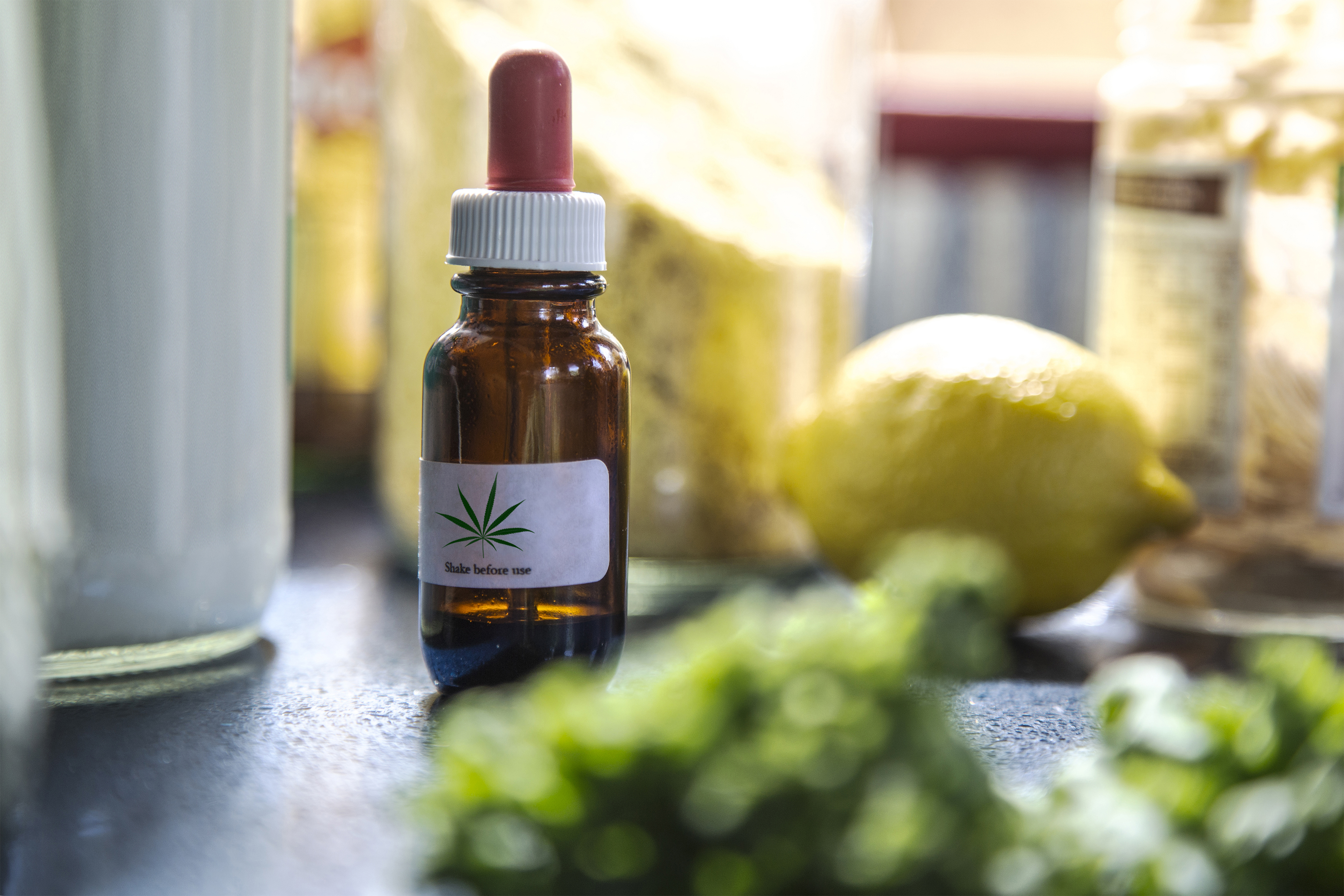
But a new study from the University of Kentucky College of Medicine found that nearly half of the CBD oil products tested in a lab were mislabeled. Of the 80 CBD oils purchased online or at retail stores, only 43 had cannabidiol concentrations that were within 10% of the label’s statements, an accuracy rate of only 54%.
One oil had a CBD concentration that was 159% higher than indicated on the label. Another oil only had 17% of the CBD it was supposed to have.
“Because most consumers use CBD products as therapeutic treatments for some types of medical conditions, dosage is important when considering the potential for CBD accumulation, elevated liver enzymes, and interactions. with drugs, ”lead author Erin Johnson told the Journal. of cannabis research.
“The findings reported here emphasize the continued need for clear and consistent regulation by federal and state agencies to ensure the accuracy of CBD product labeling and subsequent application. These results also indicate the need to continue to develop good manufacturing practices and testing standards “.

In a separate analysis of the same CBD oils, Johnson and colleagues found that most contained traces of THC (tetrahydrocannabinol), the psychoactive substance in cannabis. Five of the 21 CBD oils that were labeled “THC Free” contained detectable levels of THC.
“THC is not allowed at the Olympics. It is not allowed in many sports organizations. But athletes use CBD because it helps them recover and helps them with different facets of their training,” co-author Shanna Babalonis said in a statement. of press. “So I think one of the key conclusions of this work is to say that the public has to question whether there is THC in their CBD products.”

Certainly, the two studies are not the first to find that cannabis products are often mislabeled. They point to an ongoing problem since the passage of the 2018 Agriculture Act, which legalized hemp under federal law. Although hemp contains only traces of THC, cannabis companies have found ways to adjust its chemical composition to produce concentrated levels of delta-8 THC, which has a mild psychoactive and intoxicating effect.
The FDA considers delta-8 THC to be an unapproved drug, but because it comes from hemp, a legal substance, its regulatory status is unclear. Recently, the FDA sent the first warning letters to five cannabis companies, not for mislabeling, but for making unfounded medical claims about delta-8 THC.
Until the FDA or individual states face widespread mislabeling of CBD products, industry experts say it is likely to continue.
“The incorrect labeling of the products Delta-8 is not surprising, but it is the result of the controls of poor quality that there is through the category. Delta 8 can be unsafe for people, especially if it is not labeled. This is due to the psychoactive component of Delta 8, ”said John McDonagh, CEO of CBD producer NextEvo Naturals.

“Some states have started regulating Delta 8 to take it off the market. The FDA is limited because it doesn’t have enough enforcement resources, so the best solution right now is for states to take action.”