


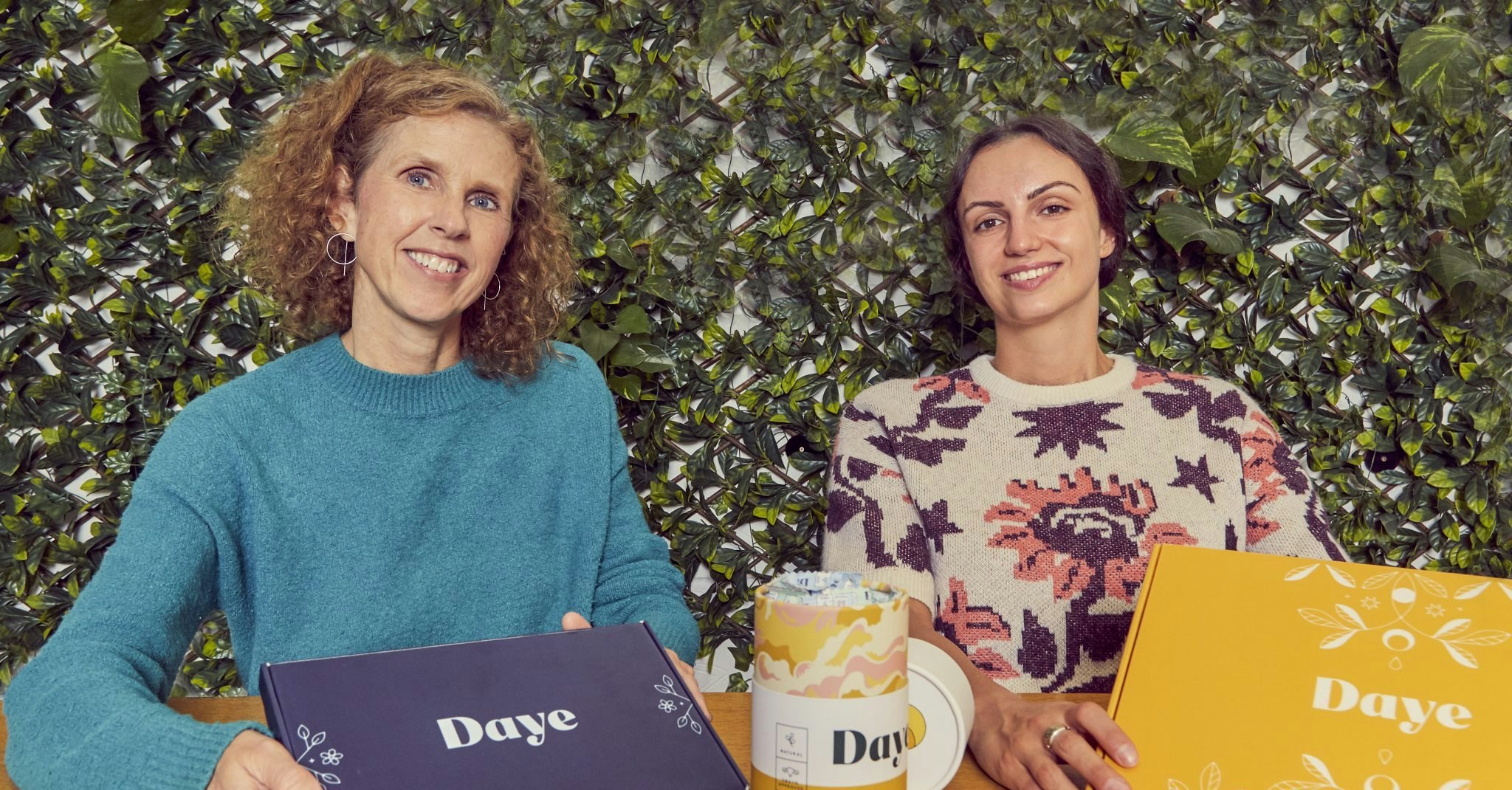
London startup Daye has raised a £10m Series A as it looks to launch its at-home vaginal microbiome testing platform and looks to expand into the US.

Founded in 2018, Daye sells tampons with CBD oil, a compound found naturally in cannabis. that has medical benefits, but won’t get you high — and other products for menstrual and vaginal care. It says its products are used by 60,000 women and women assigned at birth (AFAB) in the UK. Although it primarily sells direct to consumer, Daye also partners with workplaces that offer its products as a staff perk.
Starting today, it’s also launching the world’s first tampon-based at-home vaginal microbiome screening platform, testing for things like vaginal infections and microbiome disruptions, which can increase the chances of unique infections, STIs and complications from fertility

The test is performed with a swab-based swab, which Daye says is clinically proven to be more effective than a traditional swab. Users can access results online and also book face-to-face or virtual appointments with specialists through the startup’s app.
PCR reuse
The screening is a PCR (polymerase chain reaction) test, a diagnostic method you may remember from Covid, and takes advantage of the huge investment in PCR testing machines across Europe during the pandemic.
“Every lab invested in a PCR machine and now they’re just gathering dust,” says Valentina Milanova. “In general, DNA testing technology [like PCR] They’re really coming down in cost and they’ve become much more accessible since the pandemic.”
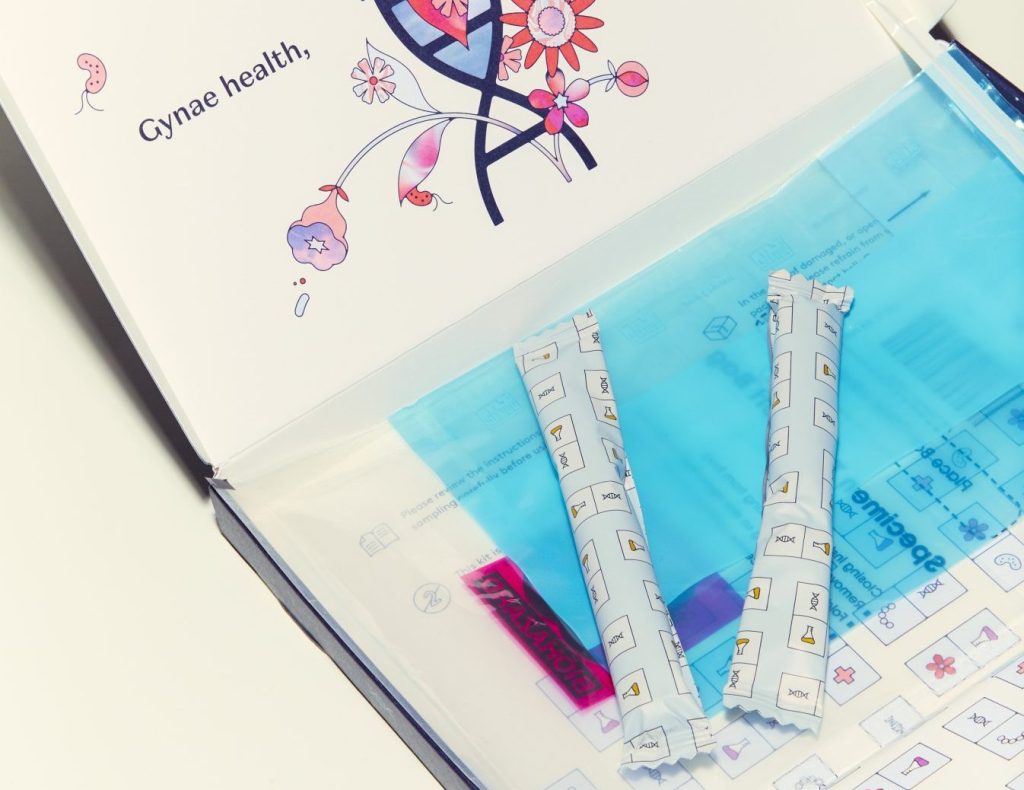 Daye’s Home Vaginal Microbiome Test Kit

Alongside the launch of its home testing product, Daye will launch in the US in early 2023, selling both direct-to-consumer as well as workplaces and gynecology clinics.
Who invested in Daye?
- London-based Hambro Perks, US-based MassMutual Ventures and Canada’s Cross Border Impact Ventures.
- UK health provider Simplyhealth, which Daye will be teaming up with to bring its products to market, and angel Dr Fiona Pathiraja were also involved, among others.
Fundraising for a taboo startup in a time of economic uncertainty
“There was more nervousness about economic uncertainty among investors this time than when we last looked to raise funds in March 2020. [when Covid and lockdowns were sweeping across the globe]”, says Milanova, who ended up deciding not to consider an external round then. The cautious fundraising environment at the time meant that Milanova and its CEO Lisa Rodwell had to invest a large amount of time in the launch.
“We were fundraising for 40 hours a week from January to August, as well as running a business,” he adds. But trying to raise money during a technological decline it was not the only challenge.
“If you were at an investor meeting about a cybersecurity company, you might talk about your own experience with cybersecurity, but you wouldn’t talk about your experience with vaginal infections during a presentation”

“Explaining what the company does makes a lot of investors feel uncomfortable, and a lot of them just looked at the floor when we mentioned menstruation or vaginal canals during the pitch,” Milanova says. “He puts us on the back foot from the get-go.”
Many investors, both male and female, were embarrassed to discuss the topic or broke into smiles while they were pitching, she tells Sifted. It’s something that hasn’t changed since Daye last raised outside funds in 2019, and a big part of that discomfort is because people are uncomfortable talking about intimate health with their peers, she says Rodwell.
“If you were at an investor meeting about a cybersecurity company, you might talk about your own experience with cybersecurity, but you wouldn’t talk about your experience with vaginal infections during a presentation.”
The rise of home testing
Over the past couple of years, there has been a broader trend of startups bringing tests that would previously have been done in a clinical setting back home, and increasingly with VC backing.
“Clients are also asking for more healthcare services delivered at home, and fewer people want to go into the hospital,” Milanova says. “There’s also the fact that healthcare facilities, particularly in the UK, are under enormous strain, so it makes sense from a public health perspective.”
Berlin-based startup inne, which sells what it calls an at-home fertility “minilab” that lets users test for fertility and ovulation, raised $10 million in May. The UK’s Hertility is another fertility testing startup and last raised £4.2m in 2021, and London-based Hormona, although it has yet to announce any external funding, says it has been used by thousands of women in Europe and recently announced its launch in the US.
There are also startups like Mojo, an at-home fertility testing platform for men that raised a $3.6 million seed round last year; Gut microbiome and nutrition startup Zoe, which raised a $20 million Series B in 2021; i blood analysis startup Aware, which raised a $15 million seed round in summer.
Kai Nicol-Schwarz is a reporter at Sifted. Covers reporting on health technology and communities, and tweets from @NicolSchwarzK.


