


Share this
Article
You may share this article under the International Attribution 4.0 License.

A new meta-analysis examines the ability of cannabis plants to absorb heavy metals and analyzes the resulting impacts on consumer health.
Researchers are proposing a plan of strategies for producers to alleviate the absorption of heavy metals by their crops.
Cannabis plants, which can be converted to industrial hemp, medicinal marijuana, and cannabidiol oil (CBD), among other products, have an inherent ability to absorb heavy metals from the soil, making them useful for repairing contaminated sites. But this ability to absorb toxic metals can also make cannabis dangerous to people who ingest it.
“… cannabis products used by consumers, especially cancer patients, may be causing unnecessary harm to their bodies.”
“Heavy metals, such as lead, mercury, cadmium and chromium, are known to be carcinogenic,” says Louis Bengyella, an adjunct professor of plant science research at Penn State. “The heavy metal content of cannabis is not regulated; therefore, consumers may be unknowingly exposed to these toxic metals.
“This is bad news for anyone who uses cannabis, but it is especially problematic for cancer patients who use medical marijuana to treat the nausea and pain associated with their treatments.”
The problem, says Bengyella, is that some varieties of cannabis have been bred specifically for phytoremediation, which is the use of plants to remove contaminants from soil, water or air.
“The problem is that if we use these strains that were developed for phytoremediation without considering why they were developed in the first place, we can unknowingly expose consumers to heavy metals,” he says.
Heavy metals in cannabis trichomes
Bengyella and colleagues conducted a meta-analysis of research studies on heavy metal contamination in cannabis. Specifically, they investigated the available information on the application of cannabis in phytoremediation, the fate of heavy metals in cannabis plants, the medical impact of heavy metals on cannabis, and agricultural strategies to mitigate the absorption of heavy metals. .

Its results appear in the journal Toxin Reviews.
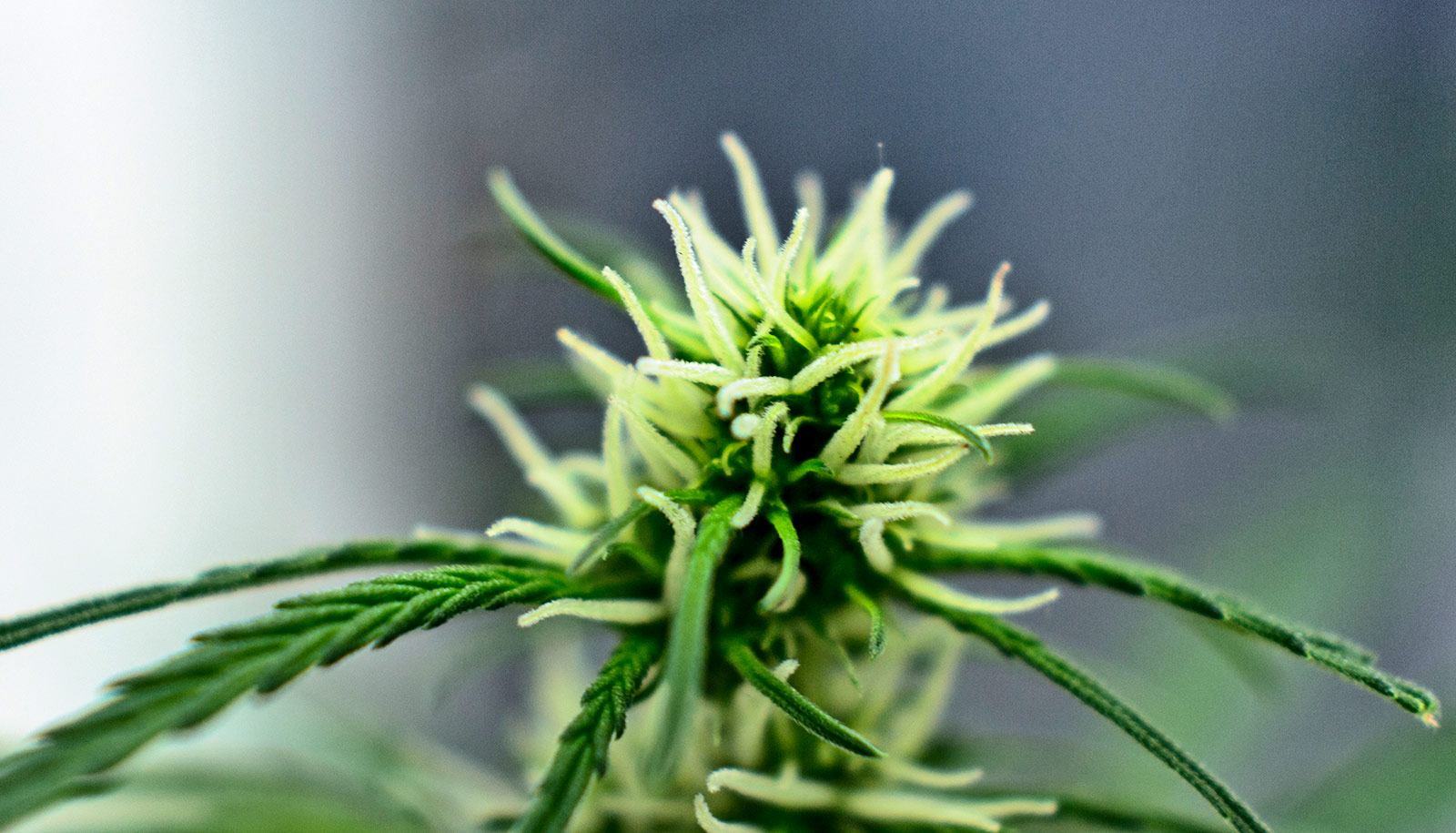
The team learned that some cannabis strains are commonly used for phytoremediation because of their unique physical characteristics, such as stem length, rapid growth, high root surface, and leaf. , high photosynthetic activity and dependence on relatively few nutrients for survival, which facilitate survival. absorption of heavy metals. The team also found that lead, cadmium and chromium, specifically, can be transported and distributed through the stem and leaves and flowers of the plant. These heavy metals leave the plant through the trichomes, which are hair-like structures located on the flowers.
“Trichomes are important because they store the CBD oil and tetrahydrocannabinol (THC) that consumers want,” says Bengyella. “This led us to wonder if these heavy metals are there at the level of the trichome, what can they do to people?”
Health consequences
The researchers then investigated the documented health effects of heavy metals. They found that heavy metal contamination in cannabis can cause various health problems due to the fact that heavy metals are rarely metabolized and therefore accumulate in specific areas of the human body. The most common mechanism of heavy metal toxicity in the human body is through the production of reactive oxygen species and free radicals, which can damage enzymes, proteins, lipids and nucleic acids, and cause cancer and neurological problems.
“Cannabis consumed in the form of combustion poses the greatest danger to human health, as the analysis of heavy metals in cannabis smoke revealed the presence of selenium, mercury, cadmium, lead, chromium, nickel and arsenic.” , says Bengyella. “It’s disturbing to realize that the cannabis products used by consumers, especially cancer patients, can be causing unnecessary harm to their bodies.”
Agricultural corrections
The authors conclude that the application of best agricultural practices, such as choosing cannabis varieties that have not been bred to better absorb heavy metals and choosing heavy metal-free farmland, can mitigate heavy metal contamination. Specifically, the team offers three recommendations to growers to choose farmland: avoid abandoned industrial sites, perform air quality analysis before establishing a farm, and perform a soil pH test because pH can affect the amount of heavy metals that a plant absorbs.
“The problem is at the level of the consumer who uses cannabis products, but the solution has to come at the agricultural level,” says Bengyella. “We believe this is where we should hit and solve the problem.”
Other co-authors of the article are from Hail University, Saudi Arabia; Burdwan University, India; the University of Bamenda, Cameroon; and Penn State.
Source: Penn State


