Using cannabis to manage chronic pain
Ankylosing spondylitis, rheumatoid arthritis and psoriatic arthritis can cause permanent and irreversible joint damage. Unfortunately, this damage often leads to chronic pain. Chronic pain lasts for weeks, months, and even years. Although not fully understood, faulty nerve frequencies and chronic inflammation are believed to be involved in the treatment of chronic pain. For those with bone or joint damage, chronic pain often comes from the body physically changing in a way that irritates nerves and exacerbates inflammation.
Traditional medicine for pain
There are many ways to treat chronic pain. Frustratingly, many pain relievers, including opiates, are not particularly good at treating chronic pain. Opiates can cause tissue dependence, meaning the body gets so used to them that it becomes dependent or addicted. Opiates also suppress organ function, putting the body under extra strain and making it harder to recover from things like the flu. Also, evidence shows that opiates are best for treating short-term pain, such as that experienced immediately after surgery. They have not been shown to be effective in treating long-term pain, and given their side effects, they are too risky for most doctors to prescribe for chronic pain. Although Tylenol and ibuprofen can help with some pain symptoms, taking high doses of either medication for an extended period also carries several risks.

cannabis
An option for pain management that is often ignored by traditional medicine is cannabis. Cannabis has been legalized for the treatment of pain in many states. Unlike opiates, cannabis has not been shown to cause tissue dependence. It is beneficial in treating glaucoma and cancer pain and is being developed to manage many other chronic conditions. In California, patients did not go to their GP or family doctor to get a medical cannabis recommendation. The patient has to go to a particular doctor to get the recommendation. In states where recreational cannabis use is legal, it is not necessary to obtain a medical cannabis recommendation. However, there are still benefits to obtaining a medical recommendation, including the protection of HIPPA (Health Information Privacy Protection Act) rights.
Go to this site to learn more about getting a medical marijuana referral in your state.
Precautions and side effects
Like many other pain relievers, cannabis has several precautions. Chief among these is that you should not operate heavy machinery or drive a car after consuming cannabis. It has similar effects to alcohol on reaction time. Cannabis can also make a person dizzy, so it is best to start with small doses at home until the patient knows how cannabis affects them.
Cannabis can also affect blood pressure. Anyone with low blood pressure can experience even lower blood pressure when using cannabis products, which can lead to fainting, which is extremely dangerous. People receiving treatment for low blood pressure should discuss cannabis with their doctor and consider whether it would be a safe option for them. Pregnant and breastfeeding women should not use cannabis, as it can be passed on to the baby and can affect development. Anyone with heart disease, a fast heart rate, or cardiopulmonary disease should discuss cannabis use with their health care professional before using it, as it may not be safe for these people.

CBD vs. THC
There are several naturally occurring phytochemicals in the cannabis plant that have pain-relieving properties for humans. THC is one of these, but it can lead to the feeling of being “poor” or “drunk”. This feeling is unpleasant for some but pleasant for others. Unfortunately, high output tends to make it difficult for one to be productive and fully functional at work or at home. Therefore, many people prefer CBD instead of THC or CBD with a small percentage of THC. CBD, another phytochemical, has excellent pain relief properties without psychotropic effects (feeling high). How CBD works for patients varies dramatically. Some people can drive on CBD, while others feel tired when using it.
For this reason, it should be started at low doses on the patient’s day off when he does not have to drive a vehicle. The quality of the cannabis can lead to different results. Whenever possible, it’s best to buy CBD products from dispensaries to ensure that the fresh, quality ingredients are processed to industry standards. Many over-the-counter varieties do not contain enough CBD to be effective.
To smoke
Some cannabis advocates falsely believe that cannabis can heal the entire body. Not only is this false, but all smoke is carcinogenic, and anyone prone to infection, such as people with autoimmune diseases, should not smoke as it can predispose them to respiratory infections, pneumonia, secondary infections and complications . Vaping is as bad for lung tissues as smoking. For these reasons, it is best to avoid consuming cannabis by smoking it. Smoking also causes coughing, which can be unpleasant for those with chronic pain aggravated by sudden movements.
Edibles
Fortunately, there are many other ways to consume cannabis, and none of them are bad for your health. Most people have heard of “pot brownies” or brownies made with cannabis. This might be the oldest form of man-made cannabis food. Edibles are any food or drink made with cannabis. Cannabis is usually processed with edible oil (butter, coconut oil, olive oil, etc.) and then used for cooking or baking. With the legalization of medical marijuana, there are now a variety of pre-made edibles in dispensaries. There are also thousands of do-it-yourself edible recipes online. There are even small appliances available to help process homemade hemp butter, which can then be used in any way traditional butter is used. Edibles come in low THC and high CBD varieties as regular THC doses. The downside of edible consumption is that the effects vary depending on the patient’s stomach and what they have eaten. Edibles are the slowest method of getting cannabis into the body, which can be frustrating if the pain is coming from something like a migraine. It can also be difficult to find out exactly how much cannabis is in each dose with edibles. Some dispensaries carry cannabis in pill form, which helps with this problem.
Tincture
Another way to consume cannabis for pain control is sublingually (under the tongue) as a tincture. A tincture is usually an oil-based liquid mixed with cannabis. These can be obtained from a dispensary or made at home. Because the tincture is placed under the tongue, it is absorbed into the patient’s bloodstream more quickly than it would be when ingested as an edible.
Dosage
An average dose for a medical marijuana user varies between 5 and 100 milligrams of THC and/or CBD per day. This is a wide range because each person responds differently. The lowest effective dose should be used whenever possible to avoid building up a tolerance, which requires a higher dose. Anyone new to cannabis should start with the smallest possible dose and wait 1-2 hours before using more. Remember that it is always possible to consume more, but it is not possible to consume less once it is in the body. Proceed slowly and with caution. Over time, patients can develop a tolerance to cannabis and must increase their dose or abstain for a period to reduce their tolerance.

For this reason, it is best to avoid consuming cannabis every day, if possible. Traditional insurance doesn’t always cover many doctors who write medical cannabis recommendations. It also doesn’t cover cannabis, so keeping your tolerance low is the best way to minimize costs.
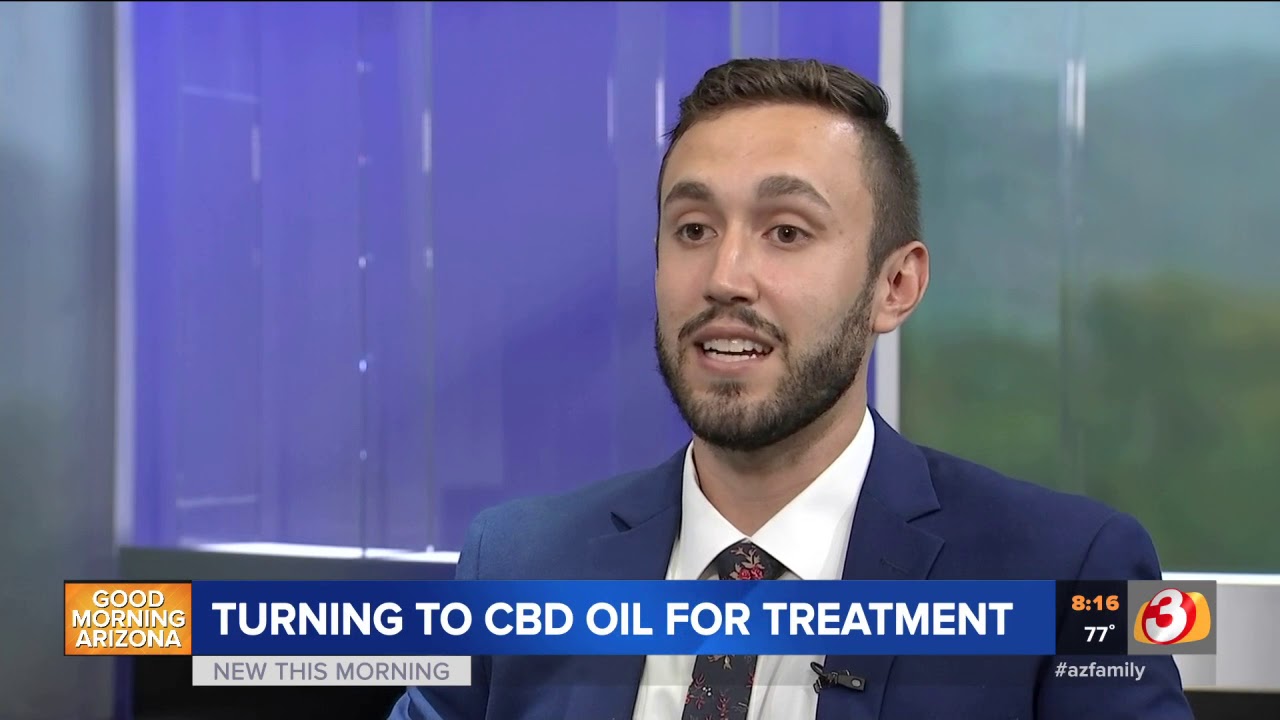
The YouTube video An overview of medical marijuana and the use of cannabis for chronic pain is provided below.
California Personal Injury Lawyer
I’m Ed Smith, a personal injury attorney from Northern California. If you or a family member has been seriously injured in a car accident and has developed severe chronic pain, call our law office at (916) 921-6400 or (800) 404-5400 for free and friendly case advice.
Our expert legal team has been helping injured Californians receive maximum verdicts and settlements since 1982.
Budding’s photo. on Unsplash
I [cs 1350] already