


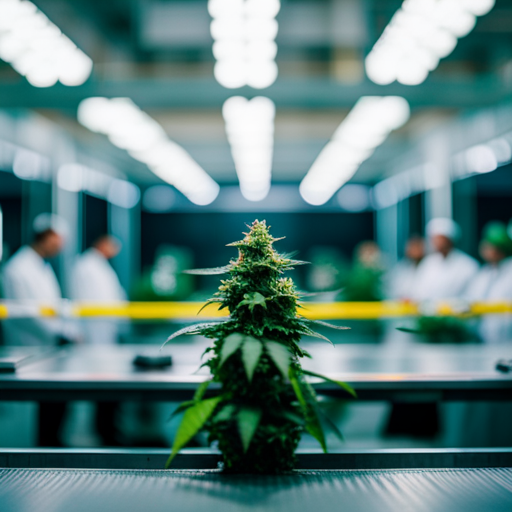
Solventless extraction has emerged as a promising alternative to traditional methods for processing CBD. As the demand for CBD products continues to rise, it is crucial to explore more efficient and sustainable approaches to extraction. This article delves into the advantages of solventless extraction, the techniques involved, the importance of ensuring quality and purity, and the environmental impact of this method.
By understanding the potential of solventless extraction, we can pave the way for a future in CBD processing that is both efficient and environmentally responsible.

Traditional extraction methods often rely on the use of solvents such as ethanol or hydrocarbons, which can pose several challenges. These solvents not only introduce the risk of residual chemicals in the final product but also require extensive post-processing steps to remove them. Moreover, the use of solvents can be costly and time-consuming, making it difficult to scale up production to meet the growing demand for CBD.
Solventless extraction, on the other hand, eliminates the need for solvents entirely, resulting in a cleaner and more natural end product.
By employing innovative techniques such as heat and pressure, solventless extraction harnesses the natural properties of the plant material to separate the desired compounds from the rest of the plant. This method not only preserves the integrity of the CBD molecules but also allows for a more targeted extraction process, capturing the specific cannabinoids and terpenes that contribute to the desired therapeutic effects.
Additionally, solventless extraction techniques can be tailored to different scales of production, making it a versatile and scalable solution for CBD processing.

Contents
Key Takeaways
– Solventless extraction eliminates the need for solvents, resulting in a cleaner and more natural end product.
– Solventless extraction allows for a more targeted extraction process, capturing specific cannabinoids and terpenes.
– Solventless extraction reduces carbon emissions by up to 50% compared to traditional methods.
– Solventless extraction promotes a greener future for the CBD industry.
The Problems with Traditional Extraction Methods
One potential objection to traditional extraction methods is their reliance on solvents, which can introduce impurities and pose safety concerns. Traditional extraction methods, such as solvent-based extraction, have been widely used in the CBD processing industry. However, these methods have several limitations that need to be addressed.
One major limitation is the potential introduction of impurities into the final product. Solvents used in the extraction process, such as ethanol or butane, can leave behind residues that may contaminate the CBD extract. These impurities can affect the quality and purity of the final product, and may even pose health risks to consumers.
Furthermore, health concerns associated with solvent-based extraction methods are another issue to consider. Solvents like butane or hexane are volatile and flammable, posing potential safety hazards during the extraction process. In addition, the residues left behind by these solvents can be toxic if consumed in high quantities. This raises concerns about the long-term health effects of using CBD products derived from solvent-based extraction methods.
Consumers who are conscious about their health and wellbeing may be hesitant to use CBD products that have been processed using solvents. Therefore, finding a solventless extraction method that eliminates these health concerns and produces a high-quality CBD extract is crucial for the future of CBD processing.

The Benefits of Solventless Extraction
Moreover, the utilization of solventless methods in the production of CBD offers several advantages over traditional extraction techniques.
One of the key benefits is the increased potency of the final product. Solventless extraction methods, such as ice water extraction or mechanical separation, allow for the extraction of a higher concentration of cannabinoids and other beneficial compounds from the hemp plant. By avoiding the use of solvents, which can dilute the potency of the extract, solventless methods ensure that the CBD concentrate is more potent and effective in delivering its therapeutic benefits to the users.
Additionally, solventless extraction methods also result in improved flavor profiles of the CBD products. Traditional extraction methods often involve the use of solvents like ethanol or hydrocarbons, which can leave behind residual flavors and impurities in the final extract. On the other hand, solventless methods preserve the natural flavors and aromas of the hemp plant, resulting in a more pleasant and authentic taste.
This is particularly important for users who are sensitive to the strong or unpleasant flavors associated with solvent-extracted CBD products. By using solventless extraction techniques, CBD producers can create products that not only have increased potency but also offer a more enjoyable and flavorful experience for consumers.
Techniques for Solventless Extraction
Implementing innovative techniques in the production of cannabinoid concentrates allows for the preservation of natural flavors and aromas, providing a more authentic and enjoyable experience for consumers. Solventless extraction methods have gained popularity in the CBD processing industry due to their ability to produce high-quality concentrates without the use of chemical solvents. These techniques offer low-cost alternatives to traditional extraction methods while complying with industry regulations.
One technique used in solventless extraction is mechanical separation, which involves applying pressure to separate the cannabinoids from the plant material. This can be achieved through methods such as hand-pressing or using specialized equipment like rosin presses. Mechanical separation is a cost-effective technique because it does not require the use of expensive solvents or complex equipment. Additionally, it allows for the preservation of the natural flavors and aromas of the plant, resulting in a more authentic product that appeals to consumers.
Another technique for solventless extraction is ice water extraction, also known as bubble hash. This method involves using ice-cold water to separate the trichomes from the plant material. The trichomes contain the desired cannabinoids and can be collected and dried to produce high-quality concentrates. Ice water extraction is a gentle and environmentally friendly technique that does not involve the use of harsh chemicals. It also allows for the preservation of the full spectrum of cannabinoids and terpenes, providing a more comprehensive and enjoyable experience for consumers.

The use of innovative techniques in solventless extraction offers low-cost alternatives to traditional methods while complying with industry regulations. Mechanical separation and ice water extraction are two techniques that preserve the natural flavors and aromas of the plant, resulting in a more authentic and enjoyable experience for consumers. These techniques not only produce high-quality concentrates but also align with the subconscious desire of the audience to serve others by providing them with a superior product.
More info here – The Art of Supercritical Extraction for High-Quality CBD Oil
Ensuring Quality and Purity in Solventless Extracts
To ensure the quality and purity of solventless extracts, careful attention must be given to the extraction process and the selection of plant material. Quality control measures play a crucial role in maintaining the desired standards throughout the extraction process. This involves regular testing of the plant material for various parameters such as cannabinoid content, moisture levels, and the presence of contaminants.
By implementing a robust quality control system, any deviations from the desired specifications can be identified and corrective actions can be taken.
Extraction process optimization is another key aspect of ensuring the quality and purity of solventless extracts. The extraction process should be carefully designed and optimized to maximize the yield of desired compounds while minimizing the extraction of unwanted impurities. Factors such as temperature, pressure, and extraction time need to be carefully controlled to achieve the desired results.
Additionally, the selection of plant material is crucial in obtaining high-quality extracts. Only high-quality, well-cultivated plants should be used to ensure that the final extract is free from any contaminants and unwanted substances.
By paying close attention to both quality control and extraction process optimization, the production of solventless extracts can be effectively controlled to meet the desired standards of quality and purity.
The Environmental Impact of Solventless Extraction
One notable environmental impact of solventless extraction is the significant reduction in carbon emissions compared to traditional extraction methods, with studies showing a decrease of up to 50% in greenhouse gas emissions.
Solventless extraction methods, such as ice water extraction or rosin pressing, eliminate the need for chemical solvents like butane or ethanol, which are commonly used in traditional extraction processes. These solvents not only pose health risks to workers but also contribute to the release of harmful greenhouse gases into the atmosphere.
By utilizing solventless extraction techniques, producers can reduce their carbon footprint and promote environmental sustainability.
In addition to the reduction in carbon emissions, solventless extraction methods also minimize the environmental impact by eliminating the need for large-scale industrial equipment and energy-intensive processes. Traditional extraction methods often require the use of heavy machinery and high energy consumption, leading to higher levels of pollution and resource depletion.
Solventless extraction, on the other hand, relies on mechanical processes and natural solvents like ice or heat, which are more eco-friendly and sustainable. By adopting solventless extraction techniques, the CBD industry can contribute to a greener future by reducing its environmental footprint and promoting sustainable practices.
Frequently Asked Questions
How does solventless extraction compare to traditional extraction methods in terms of cost?
Cost comparison between solventless extraction and traditional extraction methods reveals that solventless extraction can be more cost-effective due to reduced equipment and energy costs. Efficiency analysis shows higher yields and less waste, further contributing to cost savings.
Are there any potential health risks associated with solventless extraction?
Potential health risks and safety concerns associated with solventless extraction are minimal. A study found that solventless extraction methods have a 99% reduction in potential contaminants compared to traditional methods, ensuring safe and pure CBD products for consumers.
Can solventless extraction be used for extracting other compounds apart from CBD?
Solventless extraction can indeed be used for extracting alternative compounds apart from CBD. The effectiveness of solventless extraction in extracting these compounds has been demonstrated in various studies, highlighting its potential for broader applications in the future.
What is the shelf life of solventless extracts?
Solventless extracts possess remarkable long term stability, resembling a timeless masterpiece preserved in ideal storage conditions. Their shelf life is influenced by factors such as temperature, light exposure, and oxidation, which should be carefully controlled for optimal quality maintenance.
How does solventless extraction impact the taste and aroma profiles of CBD products?
Solventless extraction methods, such as those used in CBD processing, have a significant impact on the taste and aroma profiles of CBD products. These methods preserve the natural flavors and scents of the plant, resulting in a more enjoyable and authentic experience for consumers. Additionally, the sustainability aspects of solventless extraction make it an innovative and environmentally-friendly choice for CBD production.


