


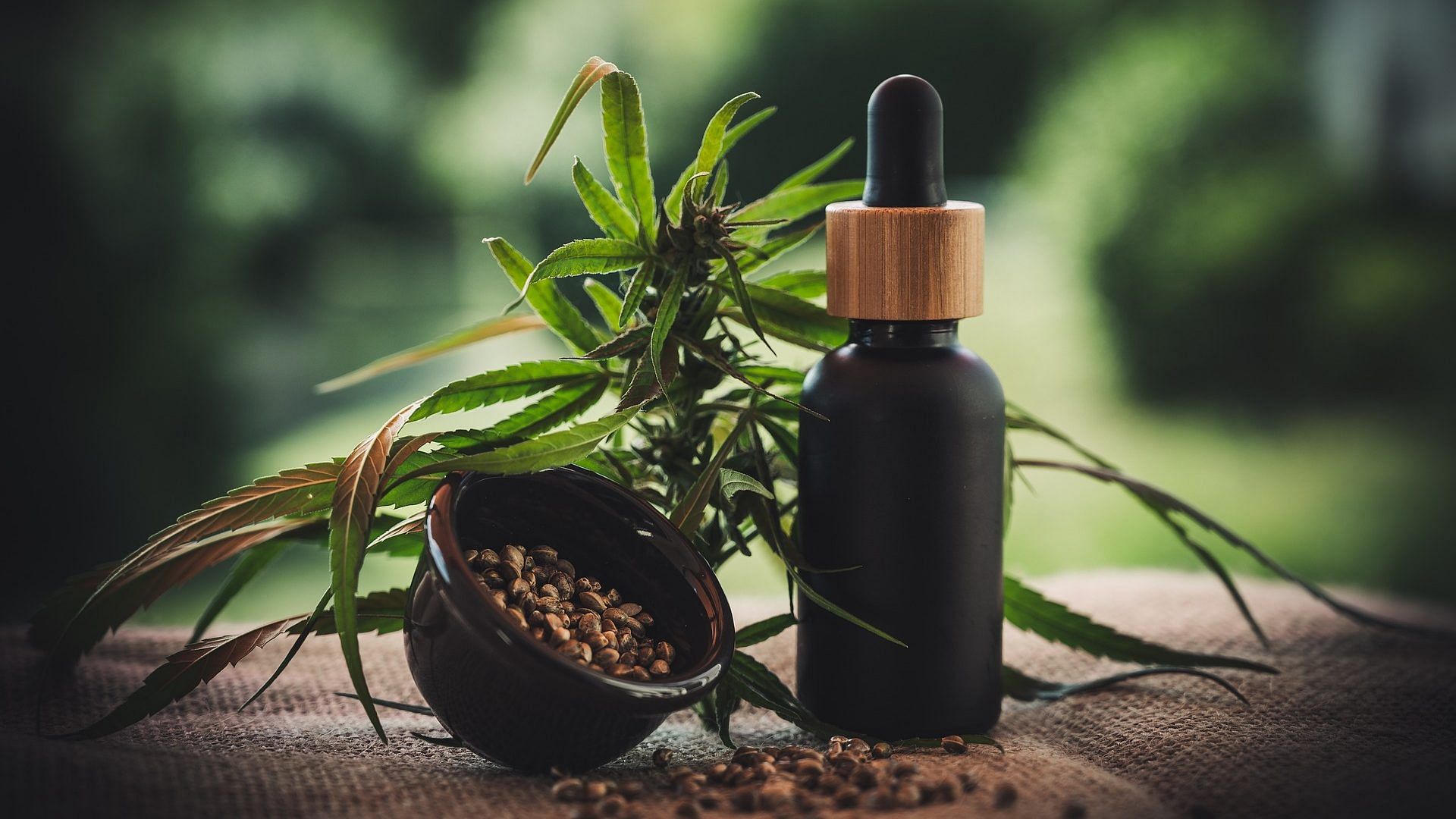
cBD or Cannabidiol, a compound found in hemp, is gaining a lot of popularity these days. CBD in oils, gummies and capsules is becoming the norm. But you might be surprised to know that this magical ingredient has also become a staple in many skin care products, including cleansers, moisturizers, sunscreens, and even lipsticks (lip balm).
What is unique about CBD that has suddenly become a buzzword in the skin care industry?

What is CBD?
According to the US Centers for Disease Control and Prevention, CBD is derived from hemp, which shares the same botanical family as marijuana: the cannabis sativa plant. However, the most significant difference between the two is the amount of tetrahydrocannabinol (THC), the substance that creates psychoactive effects in marijuana, present in them. Hemp contains only 0.3 percent THC, so skin care products containing CBD can never get you “high.”
In fact, a 2018 World Health Organization (WHO) report states that CBD does not negatively affect humans, with no risk of abuse or dependence.
For approximately two millennia, CBD has been used as a medicinal plant. Scientists have been obsessed with the therapeutic properties of CBD to treat anxiety, stress, chronic pain, migraine, insomnia, diabetes, epilepsy and even depression. It is also useful during and after chemotherapy. And as a dermatologist, I can say with certainty that CBD also has incredible benefits for our skin.
Read also: Don’t indulge in extensive winter skin care. Fix dryness and dullness with these steps

A powerful combination
There are mainly two causes behind various skin problems and aging: free radical damage to the epidermis (the outermost layer of the skin) and the irregular functioning of the body’s endocannabinoid system which causes inflammation, excessive oil production and skin pigmentation.
Several studies have revealed that CBD has incredible antioxidant and anti-inflammatory properties. When applied topically, CBD interacts with the two CBD receptors in our body called CB1 and CB2. This leads to a decrease in interleukins (secretions of white blood cells) which are responsible for alarming our immune system during emergencies. As a result, inflammation is reduced. This is why CBD in sunscreens can prevent sunburn inflammation.
CBD is also known to retain moisture in the skin and help with dryness issues. This property, combined with its anti-inflammatory functions, can be of great help in cases of eczema and psoriasis to reduce itching and redness. A 2019 study published in the Italian journal La Clinica Terapeutica showed that a specific CBD ointment improved skin hydration in participants with psoriasis, eczema, or scarring. Although this was a small study with only 20 patients, more research is needed to confirm the findings and determine the effectiveness of CBD ointments for skin conditions.
The magic of CBD is not only limited to inflammatory skin diseases, it also has antibacterial properties. This can be the ace card in acne treatments. CBD reduces sebum production in the sebaceous glands, which are responsible for the oil you see on your skin. Sebum and open pores attract gram-positive bacteria that cause acne. CBD is effective in killing this bacterial culture and is therefore recommended for use in the treatment of acne.
Another benefit of CBD-based topical treatments is that it improves skin elasticity and prevents sagging and wrinkling of the skin. CBD also overcomes the side effects of commonly prescribed topical steroids that can cause thinning of the skin with consistent use over long periods. It can fill the gap in skin treatments for patients who prefer non-steroidal therapy.
It is for these benefits that CBD is widely used in cosmetics and skin care products. However, with further research, other skin care benefits of CBD may be discovered.


Read also: That antibacterial face wash you use every day is killing your skin. Go with probiotic
Before buying CBD skin care products
Because CBD is new to skin care and research is still limited, manufacturers and sellers can take advantage of this fact to trick customers into buying fake hemp products. That’s why it’s important to know how CBD is used in skin care products.
Take some time to thoroughly understand CBD and its benefits. Know the terminology associated with the compound. Opt for brands that are licensed, trusted, transparent, regulated and practice ethical standards. Read customer reviews before spending on these products.
Check the ingredients list and make sure they are all organic. Also look for CBD concentration. Higher levels of CBD are used for pain relief rather than skin care. Learn the difference between hemp seed oil and CBD oil. The former is derived from the seeds of the hemp plant and has no CBD value, while CBD oil is extracted from hemp leaves. Check the source of the hemp plant. The source of ideal hemp plants comes down to their cultivar and, most importantly, their levels of the delta-9 THC compound. To be legally classified as a hemp plant, a cannabis plant must contain no more than 0.3% THC by dry weight. Be consistent in using the products to see results.
The CBD skin care market
According to Market Watch, the global CBD market was valued at $633.6 billion, which is expected to grow to $3.4 billion by 2026. India is leading the way with increased adoption of CBD for a healthy and pain-free existence. CBD is gaining popularity due to its anti-inflammatory, antioxidant and antibacterial properties, which help treat many skin problems and slow down aging. CBD has proven its usefulness as a pain reliever for chronic pain, especially related to cancer.
To accelerate the growth of the Indian hemp industry, the Narendra Modi government is organizing the second Indian Hemp Expo in Mumbai on February 24-25. This unique B2B hemp exhibition provides exhibitors with a platform to present their brands to consultants, potential buyers and business experts.
With the amazing results in pain treatment and its march into the skin care industry, it is safe to say that the CBD trend will only increase. The CBD market in India is also booming, both in terms of the variety of new products and the expansion of the consumer base. However, until CBD is widely accepted in skin care, it’s a good idea to stick with safe topical scrubs and serums.
Dr. Deepali Bhardwaj is a dermatologist, anti-allergy specialist, laser surgeon and esthetician with international training. She tweets @dermatdoc. Views are personal.
(Edited by Humra Laeeq)


