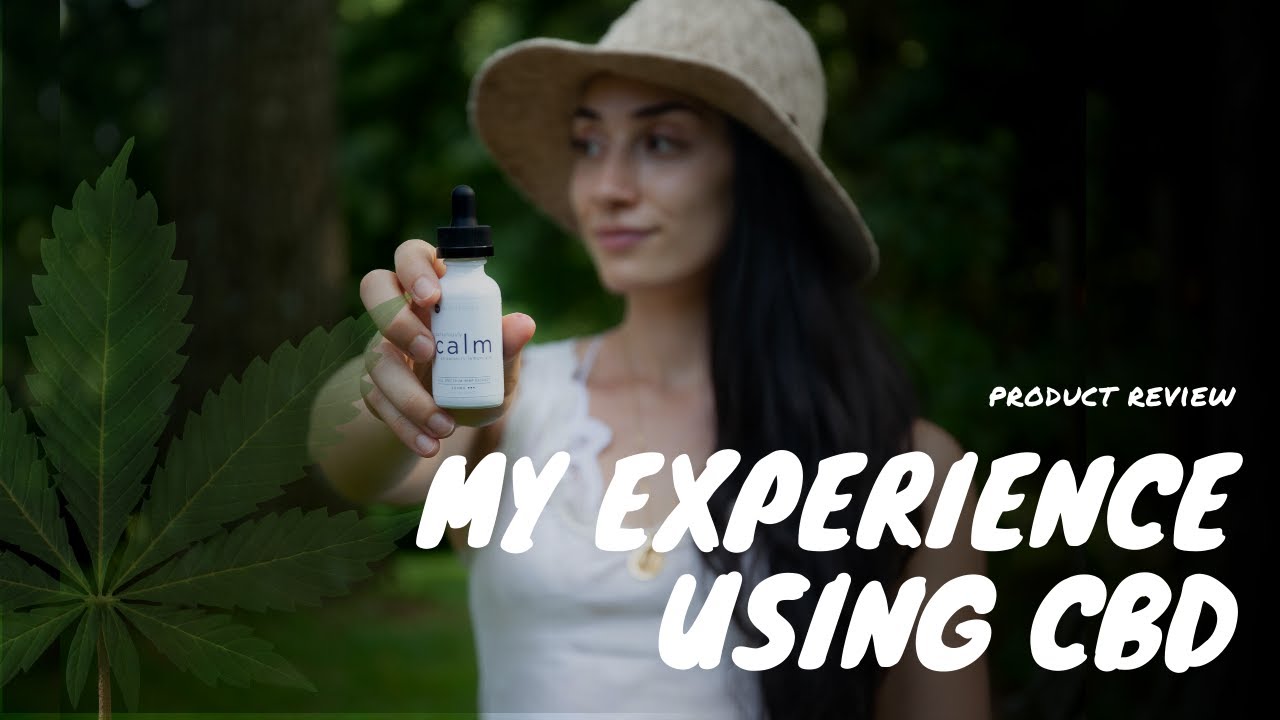
Feeling apprehensive in social situations, such as going on a first date or speaking in public, is a typical reaction; however, when worry, fear, and self-consciousness become excessive and interfere with daily life, you may have social anxiety disorder (SAD).
What exactly is SAD?

SAD is a form of anxiety that causes an intense fear of social situations, causing panic before, during, and sometimes even after social engagements. Unwarranted fear of embarrassment and unfavorable judgment can interfere with daily tasks, especially if they require interaction with others.
SAD is a chronic mental health disorder marked by emotional (eg, development of unjustified self-sabotaging beliefs), behavioral (eg, running away and avoidance of social engagements), and physiological symptoms (eg, muscle tension, sweating, heartbeat).
These can change over time and deteriorate under considerable stress; however, adopting coping techniques with psychotherapy and medication can help improve the ability to communicate with people. Doctors usually recommend selective serotonin reuptake inhibitors (SSRIs) such as Prozac and Zoloft; however, they can have undesirable side effects, such as insomnia.
As a result, studies are being conducted to investigate the possibility of a link between marijuana and social anxiety disorder.
Are SAD patients more likely to use marijuana?
A 2009 study explored the correlation between marijuana problems and social anxiety disorder in 107 marijuana users, 26.2 percent of whom met Diagnostic and Statistical Manual of Mental Disorders (DSM) 4th edition criteria for SAD. mental disorders (DSM-IV) and found that people with SAD were highly susceptible to marijuana-related problems.
Another issue to consider is whether or not marijuana causes social anxiety. Here are some studies that explored the relationship between the two:
- A 2009 study found that regular cannabis users were more likely to develop anxiety problems; however, although there is a link between the two, causation has not been proven.
- A 2011 study found that social avoidance was associated with marijuana difficulties, and individuals who avoided social situations the most suffered from the most severe types.
- A 2012 study found that those with clinically substantial social anxiety were more likely to use marijuana to cope in social settings if avoidance was not an option.
Components of marijuana
Understanding the components of marijuana will help you determine whether or not it is helpful for social anxiety disorder. To begin with, it’s crucial to understand that marijuana contains two types of compounds that can have different impacts on your social anxiety.
Tetrahydrocannabinol (THC) is the psychoactive component of marijuana, which means it’s responsible for the high feeling. Cannabidiol (CBD) also has psychoactive effects; however, it does not cause a high.

While recreational users want the THC high, those using it for mental health goals may benefit more from the drug’s anxiety-reducing component.
Can cannabis help with social anxiety?
Many people have long recognized that marijuana has anti-anxiety properties and use it to relieve SAD symptoms. With its growing legality, the use of marijuana for social anxiety has seen an increase in the number of people abandoning medication in favor of cannabis. Although research into how cannabis can help SAD is still in its early stages, there is growing evidence that marijuana can help with anxiety, and cannabidiol (CBD) is the answer.
CBD has an anxiety-relieving (or anxiolytic-like) effect by interacting with serotonin, popularly known as the “happy hormone,” a neurotransmitter that regulates mood and promotes feelings of well-being There has been some research showing its usefulness in the form of CBD oil. Unfortunately, according to a 2015 study, most of the research was conducted on animals and not humans.
According to a 2018 survey, medical cannabis users reported a 58 percent reduction in daily distress, with a low-THC, high-CBD variety of cannabis having the best effects for reducing the ‘stress, panic and anxiety.
How CBD can help with social anxiety
Although the neurobiology is still being worked out in this area, CBD has been shown to act as an anxiolytic or anxiety-reducing medication.
People with social anxiety who were given CBD increased blood flow to the cingulate cortex, which is involved in understanding the emotions of others.
In a 2015 evaluation, cannabidiol (CBD) was recommended as acute therapy for social anxiety disorder (among other anxiety disorders) (for a short period). However, we do not know the long-term repercussions of marijuana use.
Blood flow to the parahippocampus and hippocampal gyrus (PAG) was also reduced in these animals. These are vital for memory formation and recall and the inferior temporal, which helps with facial recognition. In animal experiments, CBD was shown to reduce aversion to stressful situations.
CBD has been hypothesized as a way to block anandamide uptake from the PAG. CBD has been shown to reduce anxiety by limiting the absorption of anandamide. In addition, the indirect involvement of CBD in the action of CBD is evident in all brain regions involved in stress, such as the amygdala and the prefrontal cortex.
What are the best cannabis strains for SAD?
If you’re looking into the therapeutic association between marijuana smoking and social anxiety to treat SAD symptoms, a key dispensary in Colorado recommends these strains as the best to treat:
- Piece of Chocolate – Its calming and relaxing effects boost feelings of well-being.
- Healthy medicine – This is very calming and helps you sleep well, ideal for people who have trouble sleeping.
- northern lights – It has pain and stress relieving properties and is used to reduce anxious thinking.
- The OG from hell – This induces a state of serenity while being energetic enough to carry out daily tasks.
Key to take away
Marijuana, especially CBD and marijuana with low levels of THC, has shown potential benefits in temporarily reducing anxiety symptoms. However, despite the growing evidence and legality of marijuana’s potential use for social anxiety, it is still recommended to consult a health professional to treat SAD.