


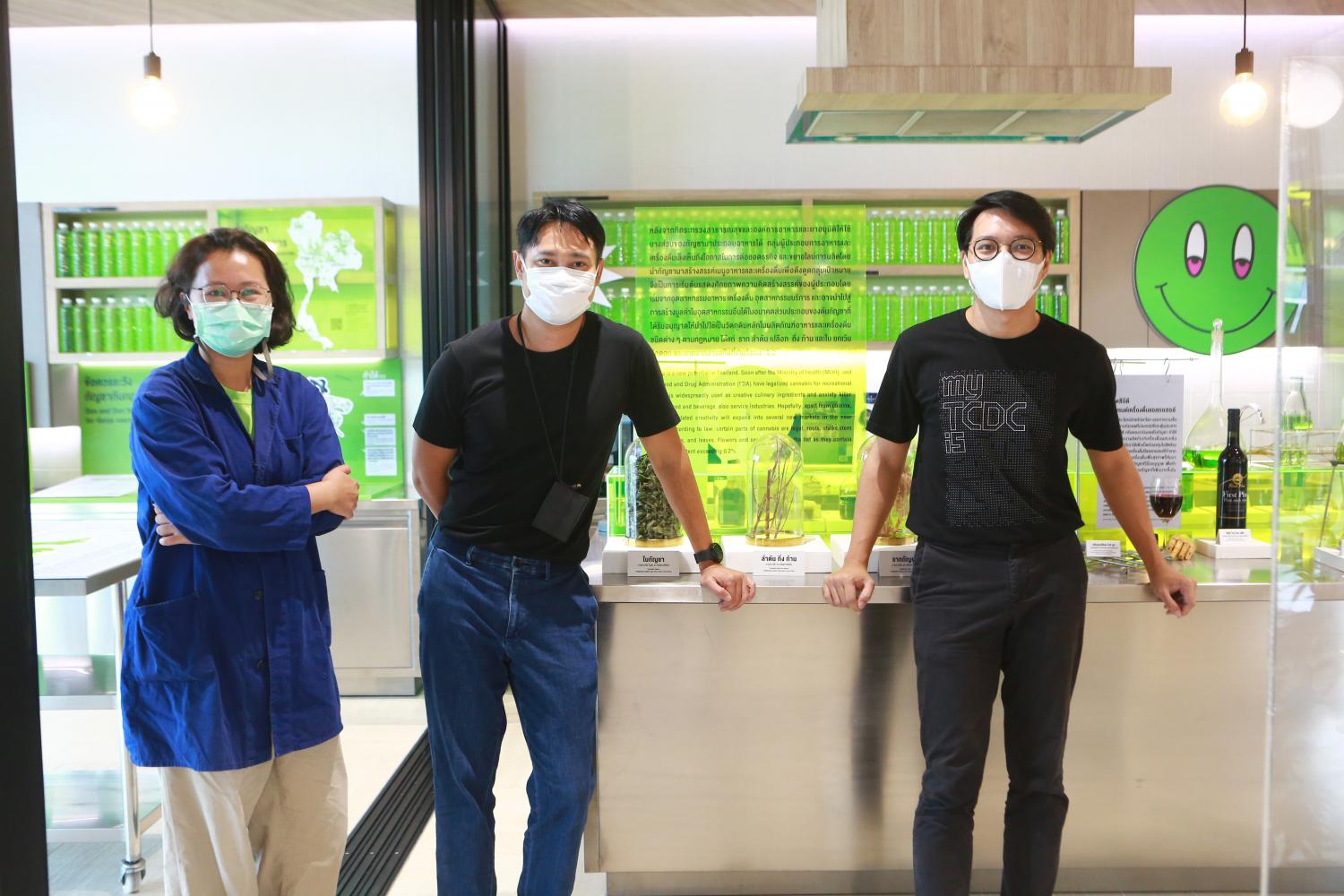
From left, Ampa Noisri, content creator, Lerchart Thamtheerasathian, director of TCDC’s creative knowledge department, and Pamuk Yukong, service manager for TCDC Commons Seacon Square.

After new ministerial regulations were implemented last year, the leaves, stems, stems and roots of the cannabis plant are no longer classified as narcotics and can be used as an ingredient in making medicines, health products, food and cosmetics. . With this legal change, employers now have opportunities to launch cannabis products.
As a source of creative food inspiration, TCDC Commons Seacon Square under the Creative Economy Agency (CEA) organized the exhibition entitled “Gain Appetite”.
Lerchart Thamtheerasathian, director of the Creative Knowledge Department of the Design and Creation Center of Thailand (TCDC), explained that “Gain Appetite” aims to inform the public about cannabis foods.
“Because of the Covid-19 pandemic, people have become depressed. While ganja or cannabis can relieve stress, not many organizations inform the public about cannabis-infused foods. “We think it would be beneficial to inform the public about how to use cannabis as an ingredient in food and drink properly,” Lerchart said.

“At TCDC Commons Seacon Square we focus on food content. ‘Gain Appetite’ informs visitors about the legalization of cannabis in Thailand, how to make cannabis-infused food products and the first steps employers need to know,” he said. add Lerchart.
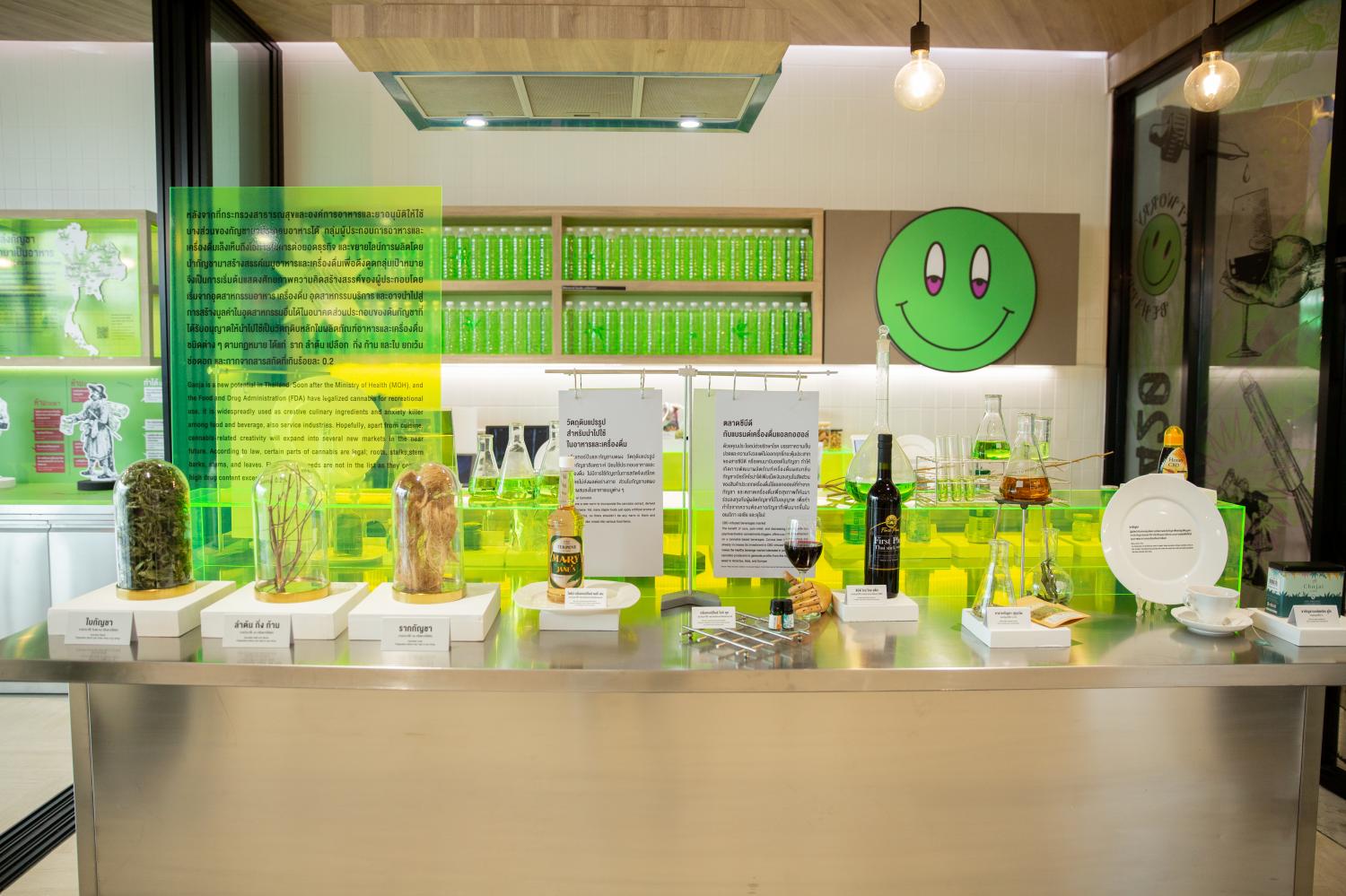
Entrepreneurs are experimenting with new cannabis groceries.
Now visible on the 3rd floor of Seacon Square, “Ganja Appetit” is divided into three sections: Journey Of Cannabis, Ganja Anatomy and It’s Bigger Than A Plate With Ganja. The first section, Journey Of Cannabis, takes visitors back 8,000 years when the plant was easily found in many regions. Visitors can explore the history of cannabis and its role in food culture and social movement.
Ampa Noisri, the show’s content creator, said that before cannabis was controlled by law in the U.S., hippies promoted the recreational use of various drugs, including cannabis.
“Hippies used cannabis and other drugs. They supported freedom and opposed the government. To control cannabis, President Richard Nixon decided to pass the Marijuana Tax Act of 1937. People had “This led to the first black market or an agreement between MIT and Stanford students through a network known as the Advanced Research Projects Agency Network (ARPANET). They bought weeds through ARPANET.” said Ampa.

Since prehistoric times, people have added cannabis to food for a better taste. Science has shown that cannabis contains glutamate which contains glutamate or salty acid which can improve the taste of food.
“During the reign of King Rama V (1868-1910), Lady Plein Passakorawongse, owner of Mae Krua Hua Pa, possibly Thailand’s first cookbook with a cannabis dish), recommended using three to four cannabis leaves as an ingredient in the Thai dish, “Eel Curry”. This is the only registered recipe that includes cannabis leaves as a food ingredient. Other recipes that claim to include cannabis are word of mouth, “said Ampa.
In Thailand, cannabis was listed as a type 5 narcotic under the Narcotics Act of 1979, which prohibited people from consuming, owning, selling, importing, and exporting the plant. Prior to the creation of the Narcotics Act, cannabis users expressed their experiences through their music and artwork.
“Between 1938 and 1964, Kamron Sambunnanont, a country singer, released a song. Kratong Ganja o Kratom Ganja which described how cannabis gave him pleasure, “Ampa said.

Snacks are currently eaten by popular cannabis.

The next section, Ganja Anatomy, shows a real Thai cannabis plant. It was Thong Phu Pha Yon, and has information on five more Thai cannabis: Issara 01, Phu Phan Squirrel-Tailed (ST1), Sakon Nakhon Tiger-Tailed (TT1), Tanaosri White Stem (WA1) and Tanaosri Red Stem (RD1). These six plants have unique odors and different concentrations of cannabidiol (CBD) and tetrahydrocannabinol (THC), important substances found in cannabis. While CBD helps people feel relaxed and is able to slow the growth of cancer cells in a test tube, THC also generates good mood, helps induce restful sleep, reduces nausea and increases appetite. THC also helps decrease stress symptoms when applied in the right amount.
“CBD is used to relax and reduce stress, but THC helps reduce pain. In China, cannabis was used during surgeries, which meant using cannabis with high concentrations of THC.” said Ampa.
Because the flowers and seeds of the cannabis plant are still classified as narcotics, the TCDC team had to undergo a complicated process before receiving permission to exhibit the plant in Seacon Square.
“It simply came to our notice then It was Thong Phu Pha Yon it was legally cultivated. The plant was developed and cultivated by Rajamangala Phra Nakhon University of Technology. Permission was granted by the Food and Drug Administration to display the plant in Seacon Square for more than a month. After the process, we understood that it must be difficult for entrepreneurs to follow the legal procedures involved in making cannabis groceries, “said Ampa.
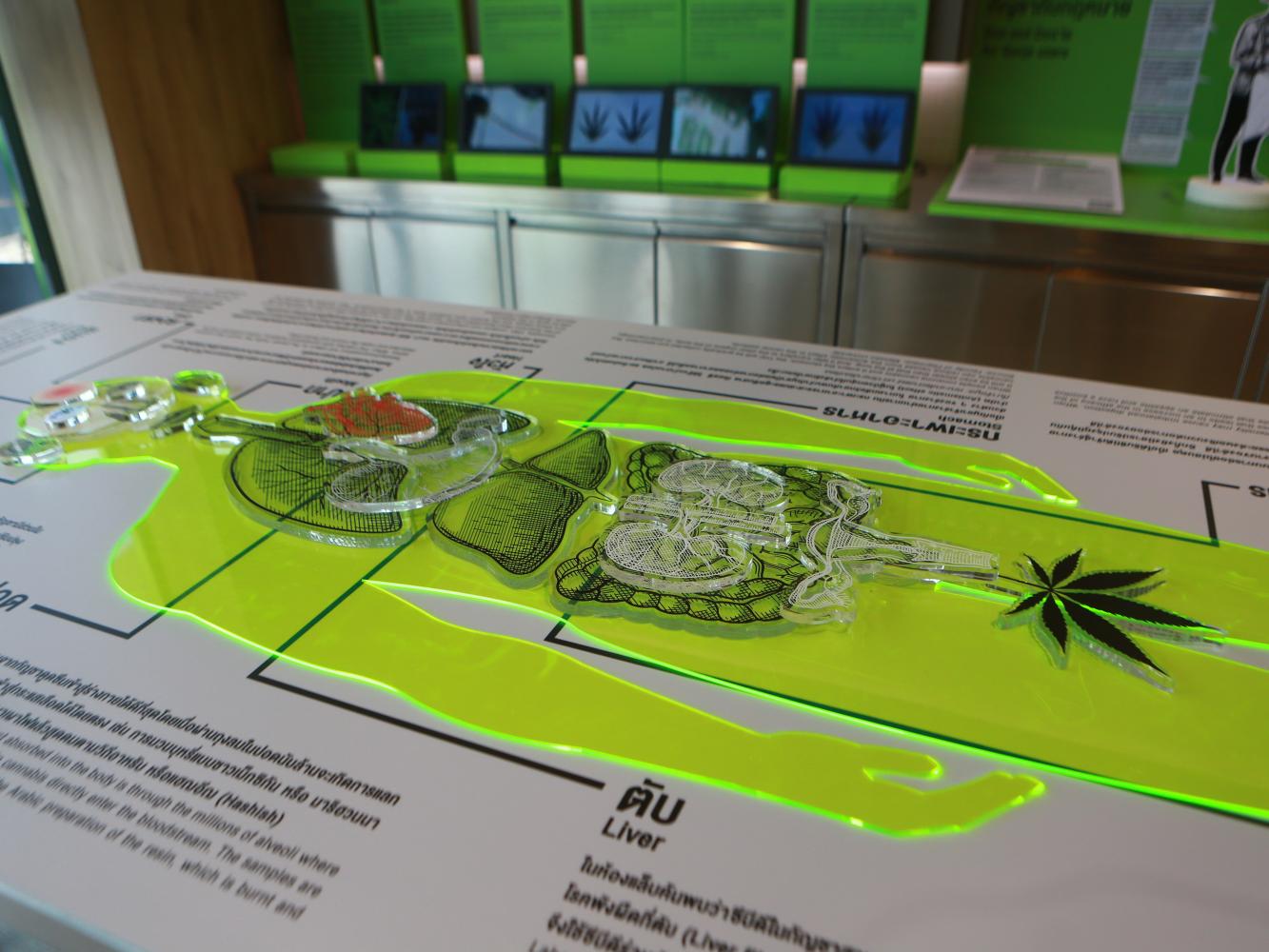
Ganja Anatomy.
The final section, “It’s Bigger Than a Ginger Dish,” shows various cannabis foods such as gelatin, ice cream, sun-dried bananas, cookies, grilled cold fish pasta, and fermented fish sauce. Lerchart, director of the Creative Knowledge Department, commented that entrepreneurs are still experimenting with the production of various cannabis foods. Most entrepreneurs added cannabis as tricks and not as main ingredients, so most brands are small and medium enterprises (SMEs). There is no manufacturer yet.
“Snacks are popular cannabis food, but drinks are a possible product that may work well in the future. To consume cannabis food safely, the FDA stipulates that no more than five cannabis leaves a day be consumed or not. “Before buying cannabis food, consumers should make sure that the products are legal. Consumers can order certified reference material,” Ampa said.
Although the use of cannabis for medicinal and research purposes has been legalized, people cannot grow plants in their backyards because flowers and seeds are still listed as narcotics. A lot of people aren’t happy about that, but Lerchart said people should focus on the opportunity at hand.
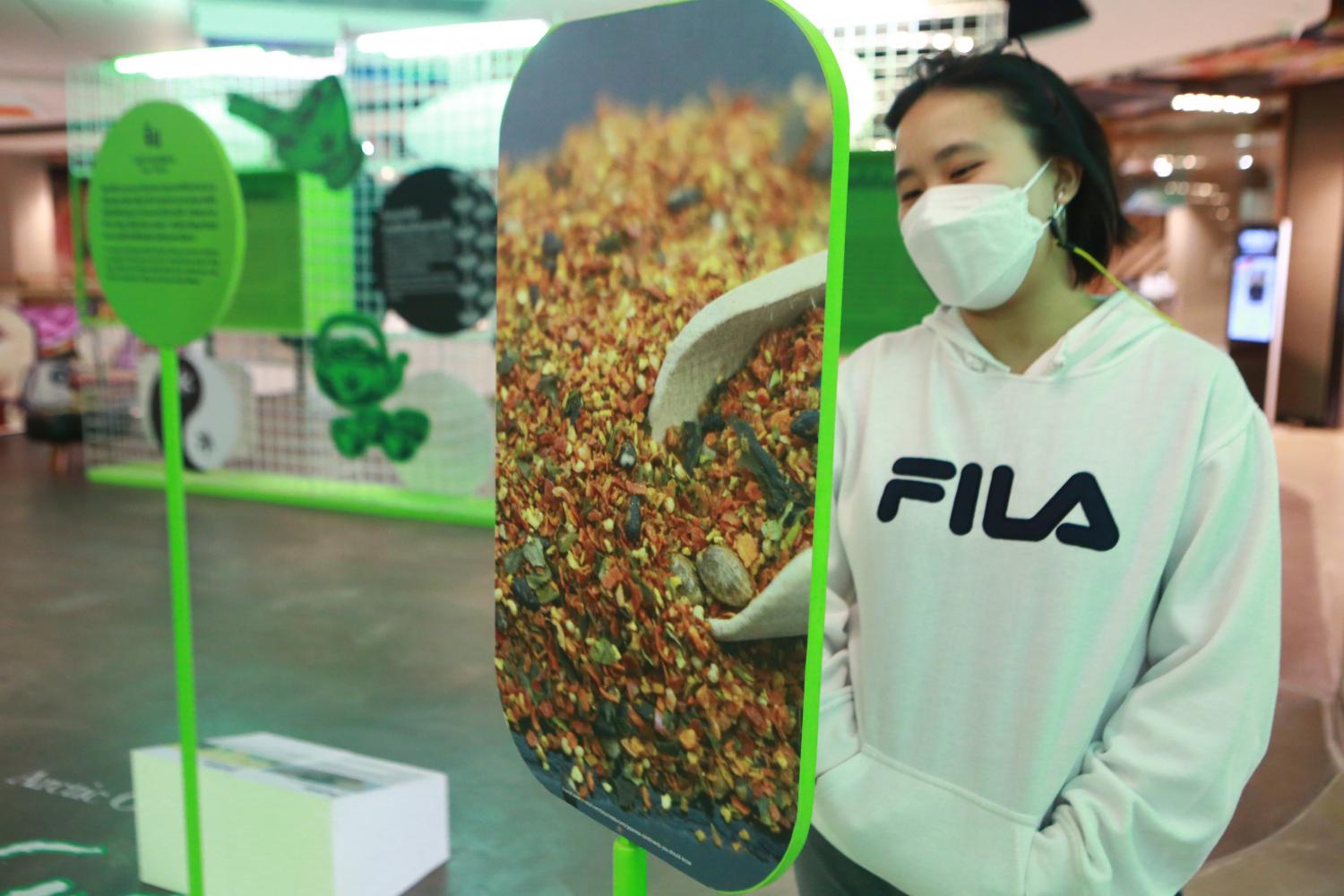
Journey Of Cannabis takes visitors back 8,000 years to explore the history of cannabis.
“People should understand the limits. The law has restrictions on the safety of people. There is room for creativity and people can still experiment with making cannabis groceries. They may find the right product to market to consumers before others, “Lerchart said.
In addition to the exhibition, earlier this month, Rattapon Sanrak, founder of facebook.com/legalizethailand, organized a workshop entitled “Win Bake & Brew By Highland Café.” Pamuk Yukong, service manager at TCDC Commons Seacon Square, said the workshop saw 15 people provide information on cannabis groceries.
“Rattapon talked about his inspiration behind the cannabis grocery business, how to find and use cannabis legally and how to develop creative menus,” Pamuk said.
Lerchart believes groceries have the potential to grow in the cannabis industry.
“Cannabis has both negative and positive effects. People should use it well. I think cannabis products will be good because people are depressed and need something to cure them. Many people have insomnia and stress. Yes They use cannabis groceries and feel better. Groceries can become a business. “This could become a new point of sale or a new product in the future,” Lerchart concluded.


