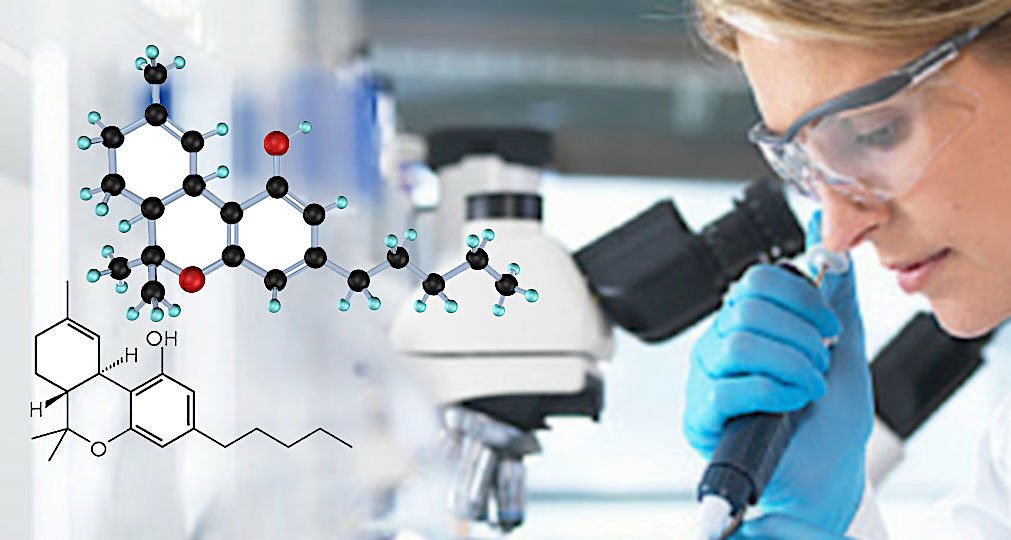
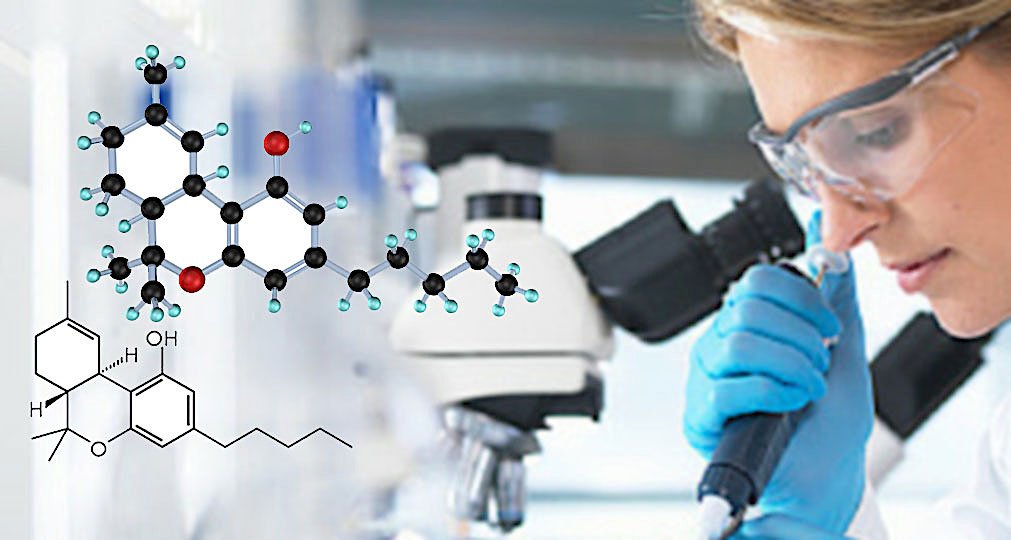
While there are abundant claims as to the medical value of cannabidiol, or CBD, a big question remains as to the purity and potency of the self-designated CBD products on market shelves and available online.
Preview reviews have found either significantly less or somewhat more CBD in products ordered online or pulled from shelves.
As the CBD market continues to explode and expand, the federal government is weighing in with its take on the products. The results have not been what the industry had hoped.

Labels often do not match content
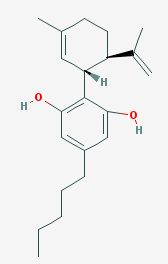
Unfortunately, fewer than half of the commercially available hemp/CBD products tested this year by the US Food and Drug Administration (FDA) contain percentages of cannabidiol that are consistent with the products’ labelling, according to data provided by the agency in a recently released report to Congress.
According to the report, the FDA tested 147 CBD-specific products marketed for sale online, including tinctures, capsules, gummies, and beverages. One hundred and two of those products provided information on the label indicating the specific percentages of CBD present in them.
However, lab analyses confirmed that only 45 percent of those products contained actual amounts of CBD that were consistent with the products’ advertising.
Instability of molecules makes doses difficult
The findings are consistent with those of numerous other analyses – such as those here and here – which similarly report that the amount of cannabidiol available in commercially distributed CBD/hemp products typically differs significantly from what is advertised.

The National Organization for the Reform of Marijuana Laws, NORML, contributed to this article.
The FDA has been directed by Congress to conduct a sampling study of commercially available CBD products “to determine the extent to which products are mislabeled or adulterated.”
Such products are currently not regulated by the FDA, despite much of the public presuming otherwise. In the past two years, the agency has forced companies to retract claims, pay penalties and stop promoting the medical benefits of the cannabinoid.

The agency cautioned that its findings are “preliminary” and acknowledged that it will report to Congress once again “when complete data sets are available.”
In March, the agency informed Congressional members that it “is actively evaluating what and how much data would be sufficient to support a conclusion that CBD can be safely allowed in dietary supplements under certain conditions.”
At that time, the agency reiterated its longstanding position that the majority of commercially available CBD-infused products are marketed in a manner that is inconsistent with the Food, Drug & Cosmetics Act.

For more information, please see the NORML fact-sheet ‘FAQs About CBD. Cannabidiol.’